
Every vehicle servicing job generates used engine oil that needs to be collected and stored with care. From the moment it is drained from an engine, it needs to be collected and stored responsibly. Proper used engine oil storage helps automotive workshops prevent leaks, reduce environmental risks, maintain cleaner premises, and prepare the material for appropriate collection and recycling.
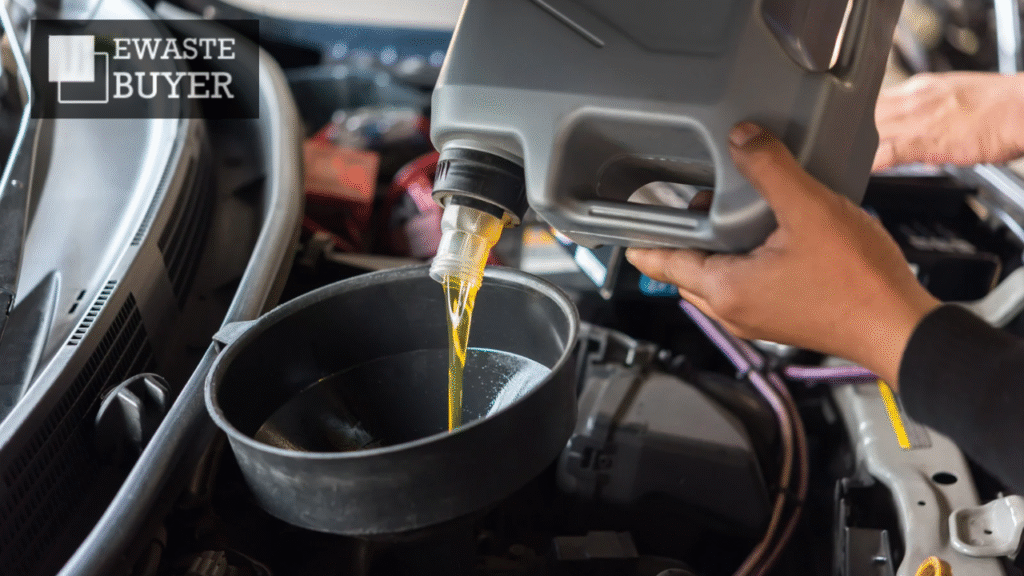
For workshop owners, this is not simply about finding space for unwanted oil. It is about establishing a consistent process that employees can follow during everyday servicing. The right containers, designated storage areas, and collection arrangements can make waste management considerably easier.
1. Choose Containers Designed for Oil Storage
Used engine oil should never be collected in whichever empty container happens to be available. Each container should be suitable for storing used oil, free from visible damage, and equipped with a secure closure to prevent leakage during handling and storage.
When selecting containers, consider the following:
Material compatibility: Use sturdy metal or suitable high-density plastic containers designed for petroleum-based liquids.
Container condition: Check for cracks, corrosion, damaged seams, and loose fittings before use.
Secure closures: Ensure lids and caps fit properly to prevent leaks and contamination.
Suitable capacity: Select containers that accommodate the workshop’s usual oil output without encouraging overfilling.
Following appropriate used oil container requirements helps reduce handling risks and keeps collected oil contained until collection is arranged.
2. Keep Used Engine Oil Separate from Other Fluids
An automotive workshop generates several liquid wastes, including coolant, brake fluid, transmission fluid, fuel residues, and cleaning solvents. Although these materials may all require careful management, they should not be poured into the same container.
Mixing different substances can affect the characteristics of used oil and complicate its assessment and subsequent recycling.
Train technicians to:
- Drain engine oil directly into the designated collection equipment.
- Keep engine oil separate from other automotive fluids.
- Avoid mixing unknown substances with collected oil.
- Identify each container according to its contents.
These simple habits support safe waste oil handling and make it easier to maintain an organised waste collection system.
3. Make Used Oil Identification Easy with Clear Labelling
When multiple containers are kept in a workshop, employees should be able to identify their contents immediately. Clear labelling prevents confusion and helps ensure that materials are handled appropriately.
Each container should carry a visible label identifying it as used engine oil. Depending on applicable requirements, additional information may include the source, storage date, quantity, and relevant hazard details.
Do not rely on handwritten descriptions that can fade, become illegible, or wash away. Use durable labels suited to the storage environment.
Keeping a record of stored quantities and collection dates also helps managers track accumulated oil and plan collections before storage capacity becomes an issue.
4. Designate a Safe Storage Area
Where used oil is stored can make a considerable difference to workshop safety. Containers placed near vehicle movement areas, open drains, or exposed ground can be vulnerable to accidental damage and spills.
Choose a designated storage location that offers:
- Protection from rainfall and direct exposure to weather.
- Adequate ventilation and separation from ignition sources.
- A stable, level surface that can support the stored containers.
- Suitable secondary containment to capture accidental leaks.
- Restricted access for unauthorised personnel.
- Clear access for inspection and collection activities.
Keep the surrounding area clean and free from unnecessary materials. Maintaining proper used engine oil storage practices alongside suitable used oil storage guidelines helps workshops protect their premises and manage accumulated oil more effectively.
5. Train Technicians to Handle Oil Carefully
Storage safety depends on the people handling the material just as much as the equipment being used.
Before collecting or transferring used engine oil, technicians should allow it to cool sufficiently and wear appropriate protective equipment, including suitable gloves and work clothing.
Establish a few everyday precautions:
- Use appropriate pumps or transfer equipment instead of manually handling heavy containers.
- Avoid splashing and unnecessary contact with the oil.
- Keep spill-absorbent materials readily available.
- Address leaks promptly and replace damaged containers.
- Follow the workshop’s spill response and fire safety procedures.
Employees should also know how to report accidental spills and when professional assistance is necessary.
6. Plan Timely Collection and Responsible Recycling
Even a well-maintained storage area has limited capacity. As used oil accumulates, workshop managers should plan collections before containers become difficult to handle or storage space becomes insufficient.
Avoid overfilling containers, leaving them open, or transferring oil unnecessarily. Keep track of outgoing quantities and arrange collection through a suitable waste oil buyer or collection channel, following the requirements applicable to your location.
Effective workshop waste oil management extends beyond keeping the premises tidy. It involves identifying the material, maintaining suitable storage conditions, and ensuring that it reaches an appropriate recycling or recovery facility.
Make Used Oil Collection Part of Your Workshop’s Routine
Responsible used engine oil storage is an important part of workshop waste management, but having a suitable collection arrangement matters just as much. Once used engine oil has been collected and stored properly, finding the right buyer can help workshops manage accumulated oil more efficiently.
At E-Waste Buyer, we help workshops and businesses explore suitable options for selling their used engine oil. Whether you operate an automotive garage, service centre, or maintenance facility, get in touch with us to discuss your oil quantity, storage arrangements, and collection requirements.