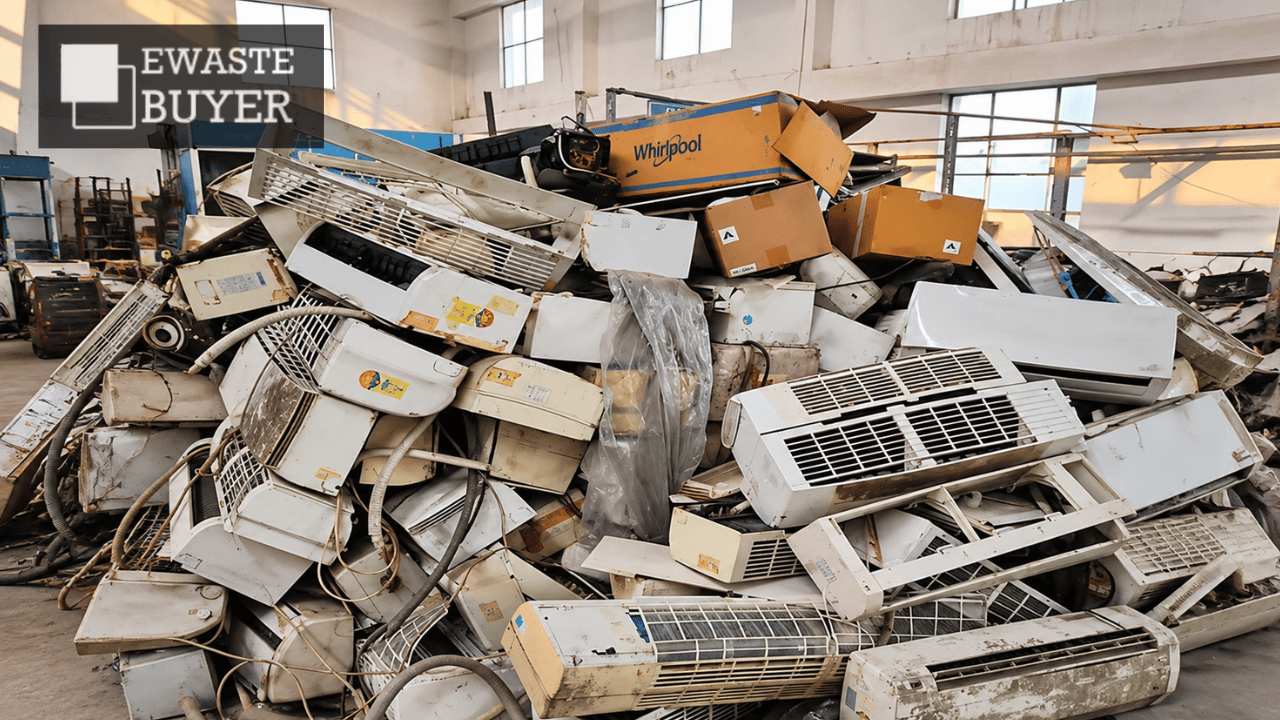
An old air conditioner may seem like nothing more than a bulky appliance that no longer serves its purpose. However, it contains several materials and components that can still hold scrap value. The AC scrap value depends on what the unit contains, its overall condition, and the prevailing market rates for recoverable materials. Copper coils, compressors, aluminium parts, and other metal components all contribute to the final assessment. Understanding how these elements are evaluated can help you make a more informed decision when selling an old or damaged AC.
What Determines the Scrap Value of an Old AC?
Not every discarded air conditioner has the same material composition or recovery potential. A buyer generally considers the unit’s type, capacity, condition, and the materials that can be recovered from it.
Some of the main factors affecting AC scrap value include:
- AC type: Window, split, cassette, and commercial AC units have different designs and component arrangements.
- Cooling capacity: The tonnage of an AC can influence the amount of material present in its construction.
- Material composition: Copper, aluminium, iron, and other metals contribute differently to the overall valuation.
- Component condition: The presence of intact or damaged components can affect their assessment.
- Current scrap rates: Market prices for recoverable metals fluctuate, influencing the quotation.
These details help a buyer estimate the value of the appliance rather than applying one standard rate to every discarded unit.
1. Copper Coil Content and Its Contribution
Copper is one of the important materials considered when evaluating an old air conditioner. It is commonly used in the refrigerant tubing and heat exchanger components, where it helps transfer heat during the cooling process.
The quantity and condition of the copper coil in an old AC can influence its scrap valuation. However, not every AC contains the same amount of copper.
A buyer may consider:
- The quantity of copper tubing present in the unit.
- Whether the coils are intact or damaged.
- The amount of copper compared with aluminium components.
- The recoverable metal weight after separating different materials.
An AC with a higher quantity of recoverable copper may receive a different valuation from one containing less copper or a different combination of materials.
2.How Does the Compressor Affect AC Scrap Value?
The compressor is another significant component considered during scrap assessment. It circulates refrigerant through the air conditioning system and supports the cooling cycle.
The AC compressor scrap value depends on factors such as its construction, weight, condition, and recoverable metal content.
Here is what buyers may examine:
Compressor weight: Heavier compressors may contain more recoverable material, although weight alone does not determine value.
Internal components: Compressors contain metal parts, including copper windings in many designs.
Condition: A damaged or non-working compressor can still have scrap value because of its material content.
Type and design: Different AC models use different compressor configurations and materials.
Even if the compressor no longer functions, it should not automatically be considered worthless. Its recoverable components can still contribute to the overall scrap assessment.
3. Other Materials That Contribute to the Valuation
Copper and the compressor receive considerable attention, but they are not the only components that matter. An air conditioner contains several other materials that can contribute to its scrap value.
| Component | Contribution to Scrap Assessment |
| Aluminium fins | Provide recoverable aluminium |
| Steel body and frame | Add ferrous metal content |
| Fan motors | Contain metal components |
| Electrical wiring | May contain recoverable copper |
| Circuit boards | Contain different electronic materials |
| Plastic components | May have separate material recovery considerations |
The quantity and recoverability of these materials vary between AC models. Buyers assess the appliance as a whole rather than assuming that every component carries the same value.
4. Does the AC’s Condition Matter?
Yes. The condition of an air conditioner can influence how a buyer evaluates it. A working unit may have potential for reuse or resale, while a damaged or completely non-functional appliance may be assessed mainly for its recoverable materials.
For example:
Working AC: Its condition and potential for further use may influence the quotation.
Partially damaged AC: The buyer may assess which components remain usable or recoverable.
Non-working AC: Its copper, aluminium, compressor, and other materials contribute to the scrap assessment.
Incomplete AC: Missing components can reduce the quantity of material available for recovery.
This is why the old AC scrap value cannot be determined accurately from its age or appearance alone.
5. Why Do Scrap Rates Change?
Scrap quotations are influenced by market conditions, particularly the prices of metals such as copper and aluminium. These rates can change over time, so a quotation received several months ago may not reflect the current value.
Other considerations include:
- The total quantity of AC scrap being sold.
- The type and composition of the available material.
- The cost and requirements of collection.
- The current demand for different recyclable materials.
For this reason, it is better to request an updated assessment instead of relying on an old price estimate.
How Can You Get an Accurate AC Scrap Quotation?
If you have an unused, damaged, or outdated air conditioner, sharing the right details can make the initial assessment easier.
Before contacting a buyer, keep the following information ready:
- AC type: Mention whether it is a window, split, or commercial AC.
- Capacity: Share its tonnage, if available.
- Condition: Explain whether it is working, damaged, or completely non-functional.
- Quantity: Specify whether you have one unit or multiple ACs.
- Photographs: Share clear pictures of the indoor and outdoor units, where applicable.
You can contact E-Waste Buyer to enquire about selling your old AC scrap in Bangalore. Sharing these details helps the team understand your requirement and discuss an appropriate quotation and collection arrangement.
Get a Better Understanding of Your AC’s Scrap Worth
Determining the AC scrap value involves more than checking the appliance’s age or whether it still switches on. Copper coils, compressor components, aluminium fins, steel parts, overall condition, and prevailing scrap rates all contribute to the assessment.
If you have an old air conditioner taking up space, consider getting it evaluated before deciding what to do with it. Contact E-Waste Buyer with your AC details to enquire about its scrap value and available pickup arrangements in Bangalore.