
Lead-Acid vs. Lithium Batteries: Storage and Disposal Differences
Batteries are essential for vehicles, inverters, backup power systems, and many types of electronic equipment. However, not all batteries can be stored or discarded in the same way. Understanding lead acid vs lithium batteries helps you identify their different storage requirements, recognise potential hazards, and plan for responsible disposal.
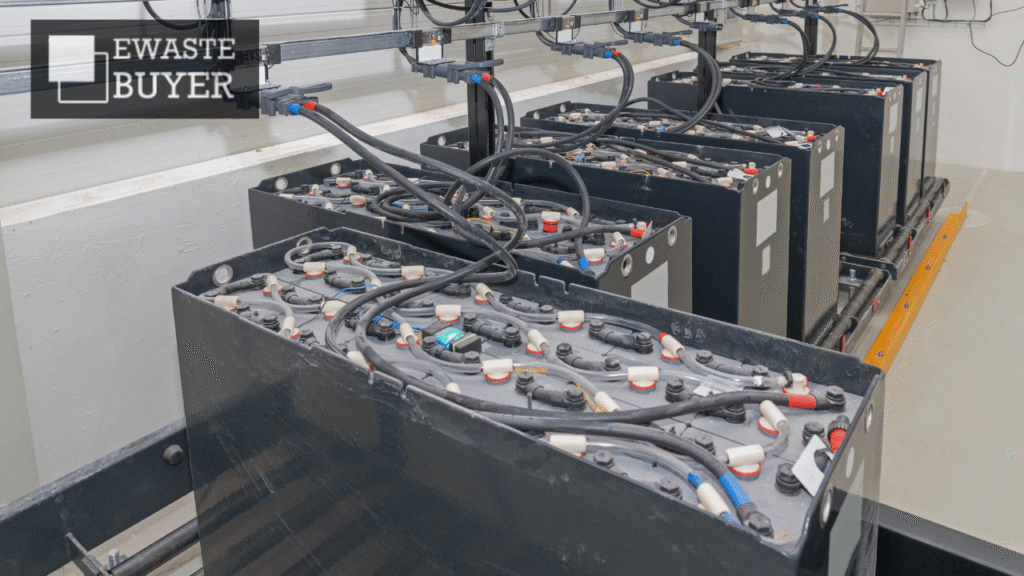
Whether you have used vehicle batteries at home or accumulated battery scrap from business operations, knowing the correct handling requirements is an important first step towards finding a suitable collection and recycling option.
What Is the Difference Between Lead-Acid and Lithium Batteries?
Lead-acid batteries contain lead-based plates and a sulfuric acid electrolyte. They are commonly used in vehicles, inverters, and backup power systems. Lithium batteries use lithium-based chemistry and are widely found in rechargeable electronics, power tools, and energy storage systems.
Understanding the differences helps you determine how to manage each battery type.
Composition: Lead-acid batteries contain lead and an acidic electrolyte, while lithium batteries contain lithium-based materials and other components depending on their chemistry.
Weight: Lead-acid batteries are generally heavier than lithium batteries with comparable capacities.
Safety concerns: Damaged lead-acid batteries can expose people to lead and corrosive acid. Damaged lithium batteries may overheat or catch fire.
Recycling requirements: Both battery types contain potentially recoverable materials, but they require appropriate collection and processing methods.
Before arranging disposal, identify the battery type whenever possible. This helps you understand the precautions needed during storage, handling, and collection.
Lead Acid Battery Storage: Essential Precautions
Proper lead acid battery storage helps reduce the risk of leakage, accidental short circuits, and physical damage. These batteries should generally be kept upright on a stable surface in a suitable, ventilated area, away from excessive heat and incompatible materials.
If you have several used batteries to manage, keep them in a designated storage area and check them periodically for visible damage.
Follow these precautions:
- Secure batteries to prevent tipping or accidental movement.
- Protect terminals against contact with conductive materials.
- Keep batteries away from ignition sources and excessive temperatures.
- Use suitable protective equipment when handling batteries.
- Seek qualified assistance for cracked, leaking, or visibly damaged batteries.
Avoid touching leaked electrolytes or attempting an untrained cleanup. Follow appropriate emergency procedures and seek professional assistance when necessary.
How to Store Lithium Batteries Safely
Lithium batteries need careful storage because physical damage, internal faults, and excessive heat can create fire hazards. Their specific storage requirements vary according to battery chemistry, design, and manufacturer recommendations.
For routine storage, keep batteries in a cool, dry location and protect them from crushing, punctures, moisture, and direct heat. Loose batteries should be kept away from metal objects that could cause their terminals to come into contact with conductive materials.
Keep these precautions in mind:
- Follow the manufacturer’s recommended storage conditions.
- Prevent terminals from contacting conductive materials.
- Check batteries for swelling, leakage, or physical damage.
- Keep batteries away from flammable materials where practical.
- Do not charge or reuse batteries showing signs of serious damage.
If a battery becomes unusually hot, emits smoke, or shows signs of fire, move away and contact emergency services. Do not attempt to carry or transport a potentially dangerous battery.
Lead Acid vs Lithium Battery Recycling
Understanding lead acid vs lithium battery recycling helps you recognise why different batteries need different processing methods.
Lead-acid batteries contain recoverable lead and plastic, while lithium batteries may contain lithium, copper, aluminium, and other metals. The materials that can be recovered depend on the battery’s chemistry and the capabilities of the recycling facility.
If you have used batteries ready for disposal, take these steps before arranging collection:
- Identify the battery type whenever possible.
- Keep different battery chemistries separate.
- Protect terminals against accidental short circuits.
- Record the approximate quantity and note visible damage.
- Choose an appropriate collection channel that can direct the batteries to suitable processing facilities.
Never dismantle batteries at home or in an ordinary workplace storage area. Appropriate handling helps reduce exposure risks and supports responsible material recovery.
Lithium Battery Disposal: Mistakes to Avoid
Incorrect lithium battery disposal can create fire and environmental hazards. Even a battery that no longer powers a device may retain stored energy.
Avoid placing batteries in mixed household waste, puncturing their casings, crushing them, or attempting to extract materials yourself. A battery should not be considered harmless simply because it appears discharged.
For businesses replacing UPS systems, electronics, or industrial equipment, keeping an inventory of used batteries can make disposal planning easier. Record the battery type, approximate quantity, condition, and storage location before contacting a suitable collection provider.
These details help communicate your requirements and identify any additional precautions needed before the batteries are moved.
Contact E-Waste Buyer About Battery Scrap Collection
If you have used batteries or accumulated electrical and electronic scrap, E-Waste Buyer can be your point of contact for discussing your requirements. Share details about the battery type, approximate quantity, condition, and location to enquire about suitable buying or collection arrangements. Confirm accepted materials and service availability directly before proceeding.
Before making an enquiry, prepare the following information:
- Battery type and approximate quantity
- Current condition, including any visible damage
- Collection location
- Other electrical or electronic scrap you may want to include
Following safe battery handlings procedures starts with identifying materials correctly, preventing accidental terminal contact, and communicating any damage before collection. Avoid dismantling batteries yourself, and seek appropriate guidance before moving damaged or leaking units.
Conclusion
Understanding lead acid vs lithium batteries helps you make informed decisions about storage, handling, and disposal. Lead-acid batteries require precautions against acid leaks and lead exposure, while lithium batteries need protection against physical damage and overheating.
If you have used batteries from your home or business, identify their type, check their condition, and contact E-Waste Buyer to discuss suitable arrangements for your battery scrap requirements.