How Scrap Transformer Prices Are Calculated in Bangalore
If you have an old transformer sitting at a factory, warehouse, or other site, you may be wondering what it is actually worth as scrap. Scrap transformer prices in Bangalore can vary quite a bit because buyers look at more than just the weight of the unit. The metals used inside, the transformer’s condition, its type, and current market rates all come into the calculation.
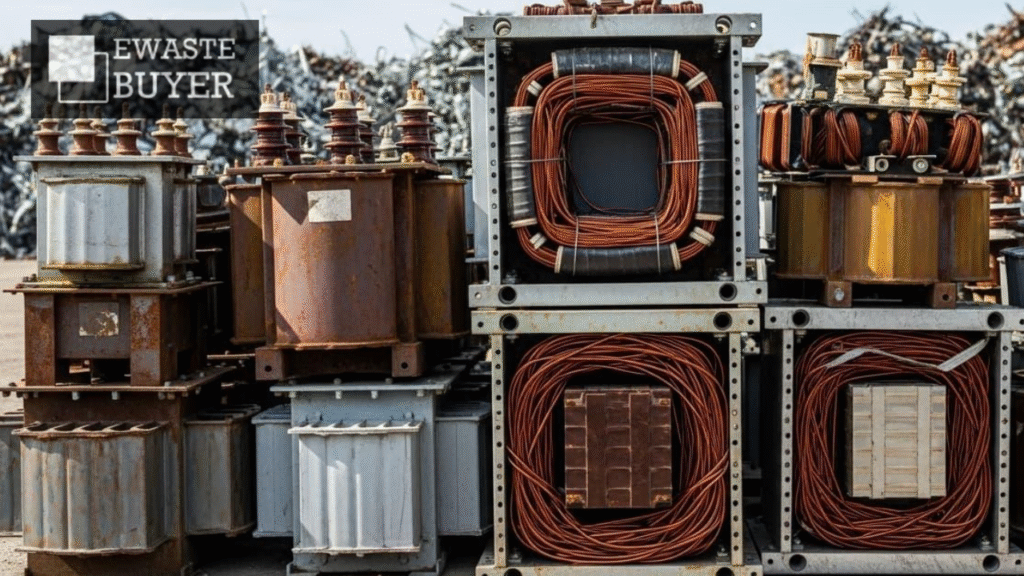
There is no single rate that applies to every transformer. A small unit with copper windings will have a different scrap value from a larger unit with a different material mix. The same applies when comparing complete transformers with dismantled or damaged ones.
What Affects the Value of a Scrap Transformer?
The first thing to understand is that a transformer is made up of several different materials. Copper and aluminium may be found in the windings, while steel is used in the core and outer casing. There can also be insulation, fittings and other components.
A buyer may consider:
Type of metal: The materials inside the transformer have different scrap values.
Copper or aluminium windings: The winding material can make a noticeable difference.
Overall weight: Weight helps determine how much material is available for recovery.
Condition: Rust, damage, missing parts or previous dismantling can affect the assessment.
Transformer design: Different types and sizes do not contain the same material quantities.
Dismantling work: The time and effort needed to separate the materials can also be considered.
Current market: Scrap values move with metal prices and local demand.
So, when you receive an offer, it is worth asking what has been considered in the calculation rather than comparing the offer with a general per-kilogram rate.
Copper Can Make a Difference
Copper is an important part of many transformers. It is commonly used for the windings and has a higher scrap value than several other materials found in the unit.
But the entire transformer cannot simply be priced as copper. Only the recoverable copper contributes at the relevant copper rate. The remaining steel, insulation and other parts still need to be accounted for.
A transformer scrap buyer will generally want to know what type of transformer you have and what materials it contains before settling on a value. For larger units, an inspection can make this assessment much more practical.
What Do Market Rates Have to Do With It?
Metal prices change regularly. Copper, aluminium and other recyclable materials can all move in value depending on wider market conditions and demand.
The LME copper price is often used as a reference when looking at international copper prices. It is useful for understanding the broader copper market, but it is not the final price for a complete transformer in Bangalore.
Local scrap metal rates can be different. A buyer may also have to account for collection, transportation, dismantling, sorting and processing before the recovered material can be sold.
That is one reason two offers made at different times may not be identical, even for the same transformer.
The Transformer Type Matters Too
Not all transformers are built the same way. Their size, capacity and construction can change the amount of copper, aluminium and steel available for recycling.
Information such as the following can help when discussing a transformer with a buyer:
- Rated capacity and transformer type
- Approximate weight
- Copper or aluminium windings
- Oil-filled or dry construction
- Condition of the casing and internal parts
- Whether the transformer is complete or dismantled
If you have several units, do not assume they all have the same value just because they came from the same facility. Their construction and condition may be different.
Why Buyers Inspect Transformers
Photos and specifications are useful for an initial discussion, but they may not tell the whole story. An inspection lets the buyer see the actual condition of the equipment and get a better idea of the materials that can be recovered.
This can be especially useful for old industrial transformers. A unit that has been stored outdoors for years may need to be assessed differently from one that has been kept indoors and remains complete.
If you are preparing to sell, keep any available specifications, photographs and approximate weights together. Mention how many units you have and whether they are complete or already dismantled.
How to Get a Realistic Scrap Valuation
When looking for an offer in Bangalore, give the buyer the details you have rather than relying on a general scrap rate found online. The more clearly the transformer can be identified, the easier it is to discuss its potential value.
The final scrap transformer prices will depend on the actual unit, its material composition, condition and the market when the sale is arranged.
For businesses with old electrical equipment to clear, E-Waste Buyer can assess transformer scrap based on its condition and recyclable material content. Sharing basic details in advance can make it easier to start the valuation process.
Selling Transformer Scrap in Bangalore
Transformer scrap has value because of the materials that can be recovered from it. However, that value is not determined by one number alone. The winding material, weight, transformer type, condition, processing requirements and prevailing market rates all have a part to play.
If you are planning to sell one transformer or a larger quantity, having the units properly assessed gives you a more useful idea of what scrap transformer prices may be worth for your equipment. It also means the offer is based on the equipment you actually have, rather than a generic scrap rate.