Insulated vs Bare Copper Wire: What Affects Scrap Value?
Copper wire turns up in all kinds of scrap, from leftover electrical cable after a renovation to old wiring removed during equipment upgrades. If you’re planning to sell it, the type of wire you have can make a real difference to the price. Understanding insulated vs bare copper wire is a useful starting point because buyers look at the amount of recoverable copper, the material’s condition, and the work needed to process it. Two loads that weigh the same may not have the same scrap value.
What Is the Difference Between Insulated and Bare Copper Wire?
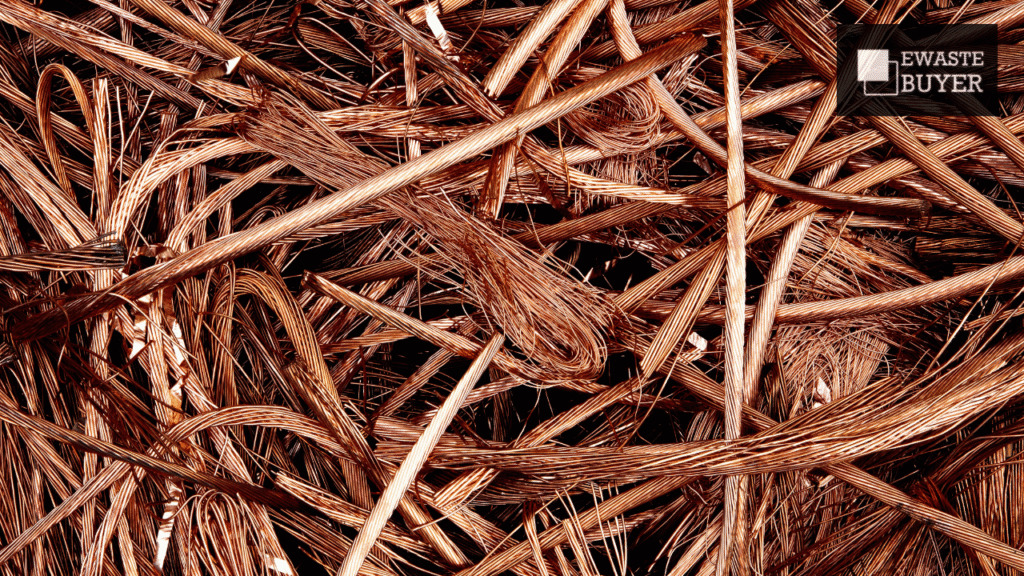
The difference is simple: bare copper wire has no insulation around the conductor, while insulated wire still has its protective covering.
Bare copper is often worth more per kilogram because a larger share of its weight is copper. Clean, uncoated wire may also need less processing before it can be recycled. Its grade still matters, though. Wire with coatings, solder, or significant contamination may not qualify for the same rate as cleaner material.
Insulated wire contains copper along with plastic or another covering. That insulation adds weight, but it isn’t part of the recoverable copper. A buyer therefore needs to consider how much metal the cable contains rather than judging it by its overall weight alone.
Why Does Bare Copper Wire Have a Higher Scrap Value?
The bare copper wire value depends on its grade, condition, and the current rate offered by the buyer. Clean copper wire can command a better price than material that needs extra sorting or processing.
A few details can affect the assessment:
Cleanliness: Dirt, solder, coatings, and other unwanted materials may affect the grade.
Appearance: Bright, uncoated wire may qualify for a different grade than copper showing oxidation or other surface changes.
Wire type: Not every copper conductor meets the same grading requirements.
Quantity: The amount you have available may influence how the transaction is handled.
If you’ve collected wire from several jobs, avoid putting everything into one pile. Keeping cleaner copper separate from coated or mixed material gives the buyer a clearer picture of what you’re selling.
What Determines Insulated Copper Wire Value?
With insulated cable, the amount of copper inside matters more than the cable’s overall size might suggest. A thick covering can add considerable weight without increasing the amount of metal available for recovery.
Consider two cables that look similar from the outside. One might contain a thick copper conductor, while the other has a smaller conductor surrounded by heavier insulation. Their weights and recoverable copper content could differ considerably.
Buyers may also consider:
Insulation thickness: More insulation can mean less copper per kilogram of cable.
Cable construction: Single-core and multi-core cables can have different copper-to-insulation ratios.
Material condition: Damaged cables, mixed materials, or contamination may affect the assessment.
Processing needs: Some cables take more work to separate into recyclable materials.
Market rates: Changes in copper prices can affect the amount offered for scrap.
These differences explain why the insulated copper wire value can vary considerably between cable types. If you aren’t sure what kind of wire you have, share its details with a buyer instead of relying on appearance alone.
Understanding Copper Wire Scrap Grading
Not all copper wire belongs in the same scrap category. Copper wire scrap grading helps buyers distinguish between materials based on their cleanliness, appearance, composition, and condition. Exact requirements can vary, so a grade should be confirmed with the buyer.
Common categories include:
Bare bright copper: Clean, bright, uncoated copper wire that meets the buyer’s specifications.
Clean bare copper: Stripped copper wire that may differ from bare bright material in appearance or condition.
Insulated copper cable: Wire assessed according to its copper content and insulation.
Mixed wire scrap: A combination of wire types that may contain different metals or coatings.
Sorting your material before requesting a quote can make the assessment more straightforward. It also helps you understand whether different parts of your load may receive different rates.
What Else Affects Copper Wire Scrap Prices?
Even when two batches contain similar material, the offers may not be identical. Several copper wire scrap value factors come into play when a buyer works out a price.
Current copper prices: Scrap rates can change as market conditions shift.
Recoverable copper: A higher proportion of copper can improve the value per kilogram.
Sorting and preparation: Mixed loads may require additional handling before recycling.
Quantity: The amount available can affect how a buyer evaluates the transaction.
Buyer grading: Different buyers may apply different classification requirements and pricing methods.
When requesting a quote, provide an approximate weight and a description of the wire. Understanding insulated vs bare copper wire can help you explain what type of scrap you have, while photographs can give the buyer a clearer idea of the material before arranging a more detailed assessment.
Should You Remove Insulation Before Selling?
Stripping wire isn’t always the best option. Removing the covering leaves you with less total weight, even though the remaining material has a higher proportion of copper. Whether the extra effort makes financial sense depends on the cable, the rates available, and the time or equipment needed.
For a small bundle, selling the wire with its insulation intact may be more practical. With larger quantities, it may be worth comparing the potential return from stripped copper against the offer for insulated cable.
Never burn insulation to recover copper. Burning can release hazardous fumes and create environmental and health risks. Use suitable mechanical stripping methods or ask a scrap buyer whether the cable can be sold as it is.
Get Your Copper Wire Ready to Sell
Before selling, understanding insulated vs bare copper wire can help you identify your scrap type, separate different materials where practical, and prepare for a more informed price assessment.
At E-Waste Buyer, we can help you explore your copper wire scrap selling options. Share details about your wire type and approximate quantity, along with photographs if available, so our team can better understand the material. Contact us through our website to discuss your scrap and learn more about the assessment process.