
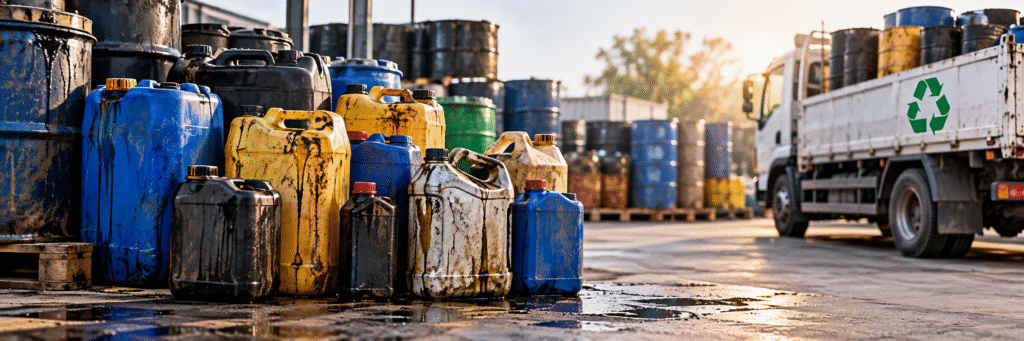
Used oil can accumulate quickly after vehicle servicing, machinery maintenance, industrial operations, equipment replacement or workshop activities. E-Waste Buyer helps businesses and other eligible generators connect their unwanted oil with a practical collection and disposal process. Our waste oil buyer service covers used engine oil, machinery oil and certain industrial oil wastes, subject to material type and collection requirements.
Whether you have a few containers from routine maintenance or bulk quantities from an industrial facility, we can review the material, discuss the collection requirements and coordinate the next steps.
Waste oil can come from different equipment and maintenance activities. Common materials may include:
The exact handling arrangement depends on the type and condition of the oil. If you are unsure whether your material is suitable, share basic details or photographs for an initial review.
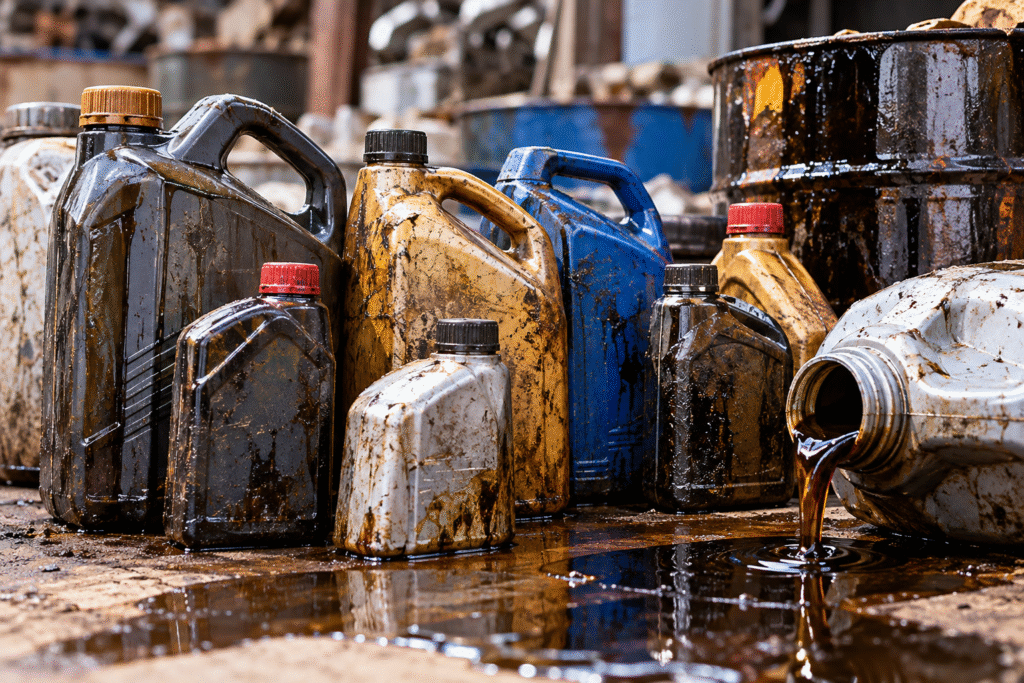
Engine oil becomes unsuitable for its original application after repeated use because it can collect contaminants and lose some of its intended performance characteristics. Workshops, service facilities, fleet operators and maintenance teams may accumulate this material during regular servicing.
Our used engine oil buyer service can cover eligible used engine oil generated through:
Vehicle servicing
Fleet maintenance
Equipment servicing
Workshop operations
Engine replacement
Mechanical maintenance
The material should be kept in suitable containers and handled carefully to reduce the risk of leaks or spills during storage and collection.
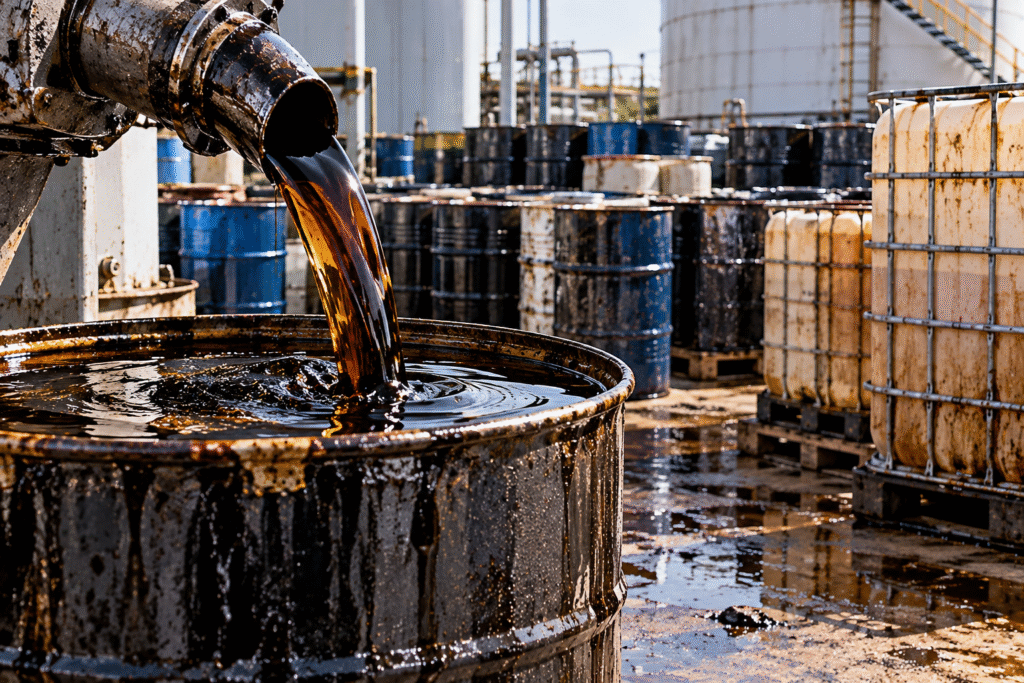
Manufacturing units, workshops and other facilities may generate oil during machinery operation and maintenance. Depending on the equipment and processes involved, this can include lubricating oils, hydraulic oils, gear oils and other used industrial oils.
An industrial waste oil buyer can be useful when a facility has accumulated oil that is no longer required for its original purpose.
Industrial collections may involve:
For larger requirements, the collection process can be planned around the quantity, storage method, site access and transportation needs.
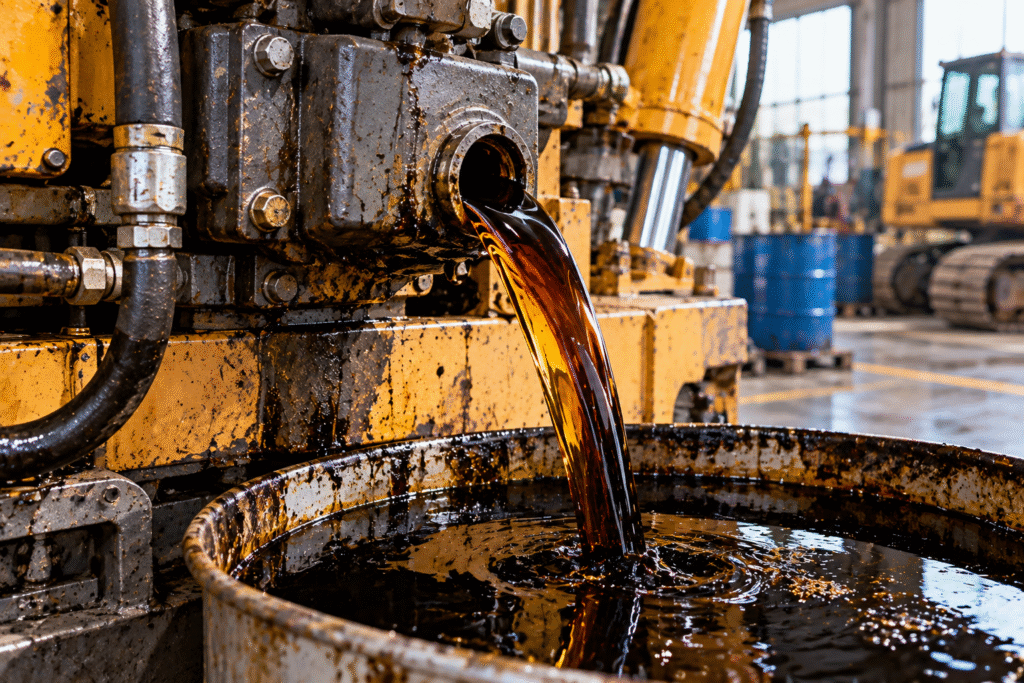
Machinery oil is commonly used to lubricate moving components and support equipment operation. After prolonged use or maintenance, this oil may need to be removed and replaced.
If your business has accumulated used machinery oil, provide information about the oil type, approximate quantity and storage conditions. This helps determine the appropriate collection arrangement.
Different oils should not automatically be mixed together. Keeping materials identifiable can make assessment and handling easier.
Waste oil does not have one fixed value. The applicable buying arrangement can depend on several factors, including:
Oil type: Engine, hydraulic, gear and other oils may have different characteristics.
Quantity: Larger collections may require different transportation and handling arrangements.
Condition: Contamination, water content or mixed materials can affect assessment.
Storage: The type and condition of containers can influence collection requirements.
Material composition: The characteristics of the oil help determine the appropriate handling route.
Current market conditions: The applicable value can vary depending on market factors and material characteristics.
For this reason, an assessment based on the actual material is more useful than relying on a general rate.
Our waste oil collection process can be coordinated according to the material and site requirements.
Tell us what type of oil you have, where it came from and approximately how much has been accumulated.
Photographs, container details or information about the equipment that generated the oil can help with an initial review.
For suitable requirements, the material and collection conditions can be assessed before transportation is arranged.
The applicable quotation or buying arrangement is based on the material, quantity and other relevant factors.
Once the arrangement is agreed, pickup and transportation can be coordinated according to the site requirements.
Yes, enquiries involving bulk quantities can be discussed.
Larger volumes may come from:
For larger collections, details such as container capacity, total quantity, access to the site and loading requirements can help with planning.
Waste oil should be handled carefully because spills can create cleanup and environmental concerns. Until collection is arranged, keep the material in suitable, closed containers and store it in an area where accidental leakage can be controlled.
Good handling practices include:
If a container is damaged or leaking, address the situation appropriately before attempting transportation or transfer.
Used oil should not simply be poured into drains, onto soil or into regular waste streams. Depending on its characteristics and applicable requirements, it may be directed toward an appropriate recovery, recycling or disposal route.
Our role is to review eligible material and coordinate the buying and collection process based on the oil involved. The appropriate route depends on the material’s condition, composition and applicable handling requirements.
Waste oil from engines and machinery is different from used cooking oil.
Used engine oil and industrial oils can contain contaminants associated with mechanical operation and should not be treated like edible oils. E-Waste Buyer already handles used cooking oil as a separate category, so engine, machinery and industrial oils should be identified correctly when making an enquiry.
If you have both types of material at the same location, mention them separately so each can be assessed according to its category.
Managing unwanted oil can become difficult when containers accumulate at workshops, factories or maintenance facilities.
Our waste oil buyer service provides a single point of contact for discussing eligible used oil requirements.
We can assist with:
The exact arrangement depends on the material, quantity, location and site conditions.
If your workshop, business or industrial facility has accumulated used engine oil, machinery oil or other eligible waste oil, E-Waste Buyer can review the requirement.
Our waste oil buyer service is intended to make the process easier from initial material details through assessment and collection for suitable requirements.
Before contacting us, keep these details ready:
Get in touch with E-Waste Buyer with your waste oil details. We can review the material and explain the applicable buying and collection process
Waste oil generally refers to used petroleum-based or lubricating oil that is no longer suitable for its original application. The exact category depends on its source, composition and condition.
Yes, eligible used engine oil can be discussed as part of a buying enquiry. The material type, condition, quantity and storage arrangements can affect the applicable assessment.
Yes. Industrial facilities can enquire about eligible used oils generated from machinery maintenance and related operations. Larger quantities can be reviewed based on collection and transportation requirements.
It is better to keep different oil types identifiable rather than mixing them without knowing their compatibility or composition. Provide details about any mixed material during the enquiry.
For suitable requirements, collection can be coordinated for bulk quantities. The arrangement depends on the volume, containers, site access, loading requirements and transportation needs.
No. Used engine, machinery and industrial oils are different from used cooking oil and should be identified separately. The appropriate handling route depends on the type and characteristics of the material.

You can sell all kinds of scrap in one place for best price. No transportation problem for you because we take care of everything.